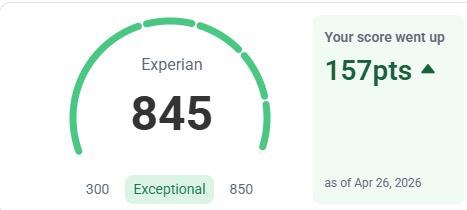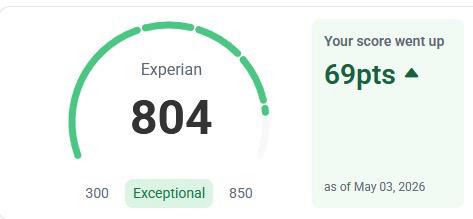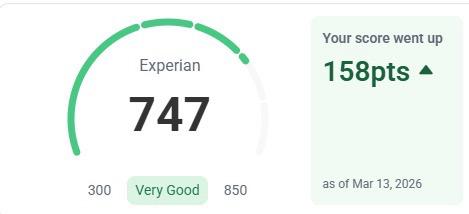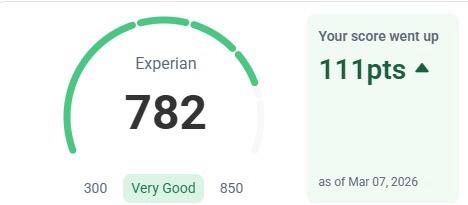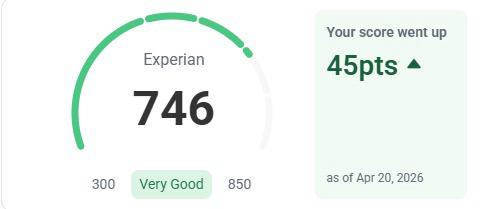
Two items on the tri-merge. Three tiers of pricing. We clear the items, you re-pull inside the same lock.
Illustrative ladder. Your engine, your investor, your LTV. The point is the distance between the rows, not the coupon.
“I am the one who texted you. Read the bit you care about and skip the rest.”
You have done this before. They went quiet, the rate expired, the deal died. Expecting that again is fair.
Same scale. The blue one is not a rounding error. Seven days is typical, not guaranteed. A bankruptcy cannot be removed at all.
Sold as a monthly subscription. A file that finishes in a week is a file that stops paying.
Charged per account cleared, once. A file that drags burns payroll and earns nothing extra.
Not cleared in six months? Half the fee comes back. That is the floor, not the expectation.
“lol not even a day”
Four more conversations, transcribed word for word, with the untouched screenshots one tap behind them.
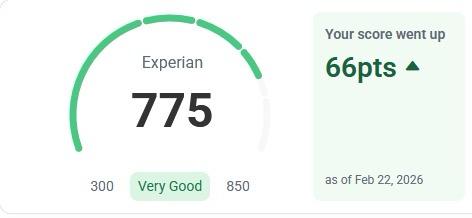
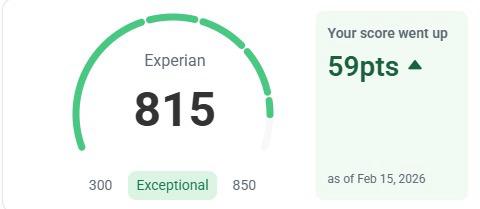
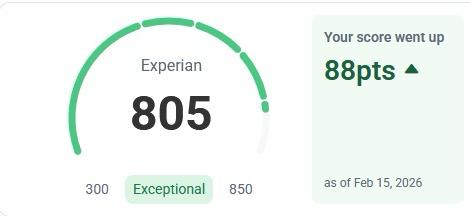
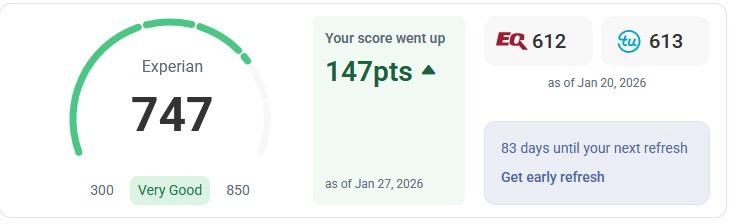
Every number below is counted off the screenshots. Nothing rounded up, nothing cherry-picked.
Experian only. Names cropped, nothing else touched. Your engine prices off the middle of three, so the deciding number is a tri-merge, not a screenshot.
$3,000 for two accounts. $45,445 saved over the term. Drag the sliders and it prices your file instead.
Put in the loan amount and the rate improvement you would expect once they clear it. You know your own pricing engine better than we do.
Every $1 spent clearing the file returns $15 to your borrower, and keeps a deal on your desk that was about to go shopping.
You are not paying for the repair. Your borrower is. Your only exposure is losing the file to whoever quotes them a better rate next week.
Everything above is the whole argument. Below is the detail. You only need the one that is bothering you.
The mechanism, in three steps. Your borrower disputes. The bureau has thirty days to get it verified. What cannot be verified has to come off.
Fair Credit Reporting Act · 15 U.S.C. § 1681i(a)(1)(A)
“…the agency shall, free of charge, conduct a reasonable reinvestigation to determine whether the disputed information is inaccurate… before the end of the 30-day period beginning on the date on which the agency receives the notice of the dispute…”
Fair Credit Reporting Act · 15 U.S.C. § 1681i(a)(5)(A)
“If, after any reinvestigation… an item of the information is found to be inaccurate or incomplete or cannot be verified, the consumer reporting agency shall — (i) promptly delete that item of information from the file of the consumer…”
Credit Repair Organizations Act · 15 U.S.C. § 1679b(b)
“No credit repair organization may charge or receive any money or other valuable consideration for the performance of any service… before such service is fully performed.”
Now the question you actually came with.
Signs with Bridge directly, pays Bridge directly, disputes their own file. Bridge is their vendor. Not yours, and not your employer's.
Files the disputes and carries the license, the contract and the liability that go with being the credit repair organization here.
Make an introduction. That is the whole of it. You do not sign anything, you do not touch the dispute, and you are not paid.
Section 8 prohibits giving or accepting any fee, kickback or thing of value for referring settlement service business on a federally related mortgage loan. Regulation X reads “thing of value” very broadly.
Which is exactly why Bridge does not compensate you in any form. Not a fee, not a split, not a discount on your own file, not lunch. The only thing you get is a deal that closes.
We are not your compliance department and will not pretend to be. Rules differ by state, employer and investor. Take this to your desk before you send anyone. Every citation here is public and checkable in about ten minutes.
Every thread below is a car loan, and that is not a coincidence. Bridge works consumer files across the board, and a repossession or a late auto payment is usually exactly what is holding a mortgage file a tier or two down. Same mechanism, same seven days.
Straight: Bridge typed “how long did that take?” in four of these five, and you can see them doing it in the originals. The question was fished for. The answer was not. Spelling is left exactly as typed.
No forms, no portal, no agreement. You are not becoming a partner, an affiliate, or anything that shows up in a compliance review.
He calls you first, not your borrower, and tells you on that call if it is not a fit rather than three weeks later.
Pulls what is actually on the file and marks the items worth disputing. Don tells you Nathan is coming before Nathan calls.
Disputes get filed and the bureau's thirty day clock starts. This is the part where nothing appears to happen.
Items come off, the report updates, you re-pull. Typically about seven days from the call. The deal never left your desk.
Not to you, and not to your borrower. Don tells you who is calling and when, before they call. That is a rule, not a courtesy.
If anyone contacts your client without Don flagging it first, that is a mistake on our side and he wants to hear about it the same day. You should not be finding out from your borrower that a stranger called them about their credit.
Marc runs the floor that works your borrower's file. Don gives you his line on the first call, before you need it. The escalation is a person with a title, not a support inbox.
Broker files are not queued behind the consumer book. They are watched, because a broker sends a second file and a consumer does not. Which is the honest reason you get a named COO and a direct number.
Every one of these sits on Bridge's YouTube channel under the company name, with the customer's name in the video title. Not a review widget. Open the channel and check the list against this one.
One of these eight says six months, not seven days, and it is still here. Seven days is what a two-item file looks like. A file carrying a lot takes what it takes, which is exactly why the guarantee is written at six months and not at seven.
These are consumer files, not broker files. Nobody in these videos was mid-application on a mortgage. They are here to show you the company is real, not to stand in for your borrower.
Your borrower hands over a Social Security number, because you cannot pull a report without one. Some people will not do that, and you should know before you offer.
A bankruptcy cannot be removed. Neither can an accurate, verifiable collection. If that is what is holding the file down, Don tells you on the first call.
Federal law is explicit that a credit repair organization may not charge before the work is performed. Ask Don to walk you through the billing on your file.
This is the real one. The protection is not the
guarantee, it is Don saying no on the first call. A bankruptcy is a no. An
accurate collection is a no. He would rather lose the file than hand you a promise that
does not land.
What we will not pretend: if it does go badly, half
the fee comes back to your borrower and none of that repairs how the conversation felt. The
money is recoverable. The moment is not.
Fair, and mostly earned by the industry. Which is why this page led with a statute rather than a promise, priced the work in public, put real screenshots on a wall with names cropped and nothing else touched, and left the six-month testimonial up instead of quietly removing it.
Locks run thirty to forty-five days. A typical clear is
seven. That gap is the entire reason this is worth a call, and it is why Don asks about your
lock before anything else.
The honest version: a stack of items
rather than two means seven days is the wrong number, and he should tell you that while you
still have room to decide.
Bridge does not write mortgages. No product of theirs
competes with yours, and the fee is the same regardless of who closes the loan.
The one thing they will offer: credit monitoring, about $20 a month, so the
borrower can watch the file move. That is the only upsell in the building. If you would
rather it were not offered at all, say so on the first call.
You get a named person at every stage. Don for the file, Nathan Miller on the report, and Marc Winer, the COO, if either stops answering. And nobody contacts you or your borrower without Don telling you first.
Not a pipeline. Not a partnership. Not a second one if the first disappoints you. Pick the borrower whose deal is already dead.
You will know inside about a week.
You tell him what is on the report and when the lock ends.
He tells you yes or no on that call. Not after a review, not next week.
If it is a yes, you meet Nathan before Nathan rings anybody.
If he does not pick up, he calls back the same day. If you would rather he called you, text him the word "broker" and your name.
A briefing for licensed loan officers, published by Bridge Credit Solutions. Not an offer of credit, not a solicitation to consumers, and not an advertisement for a mortgage product.
Every rate, payment and saving shown is illustrative. Pricing depends on your lender, product, LTV and adjustment matrix. Credit outcomes vary and are not guaranteed. A bankruptcy cannot be removed. Score screenshots are real Experian results for individual clients and are not typical of every file.
Nothing here is legal or compliance advice. No compensation of any kind passes from Bridge to a referring loan officer. Statutes are quoted so you can check them; take them to your own compliance desk before you refer anyone.